Professional Cleaning
How to Deal with Post-Renovation Dust: An Expert Approach
Finishing Renovation: Joy or Stress?
Renovation is a stage of renewal for any home; however, after the process is complete, owners often face one major challenge — construction dust. This is not ordinary household dust; it is a mass of fine particles that reaches everywhere: ventilation systems, soft furniture, wall textures, and even our respiratory tracts.
Real Case: Decontamination of a 150 sq.m. Apartment
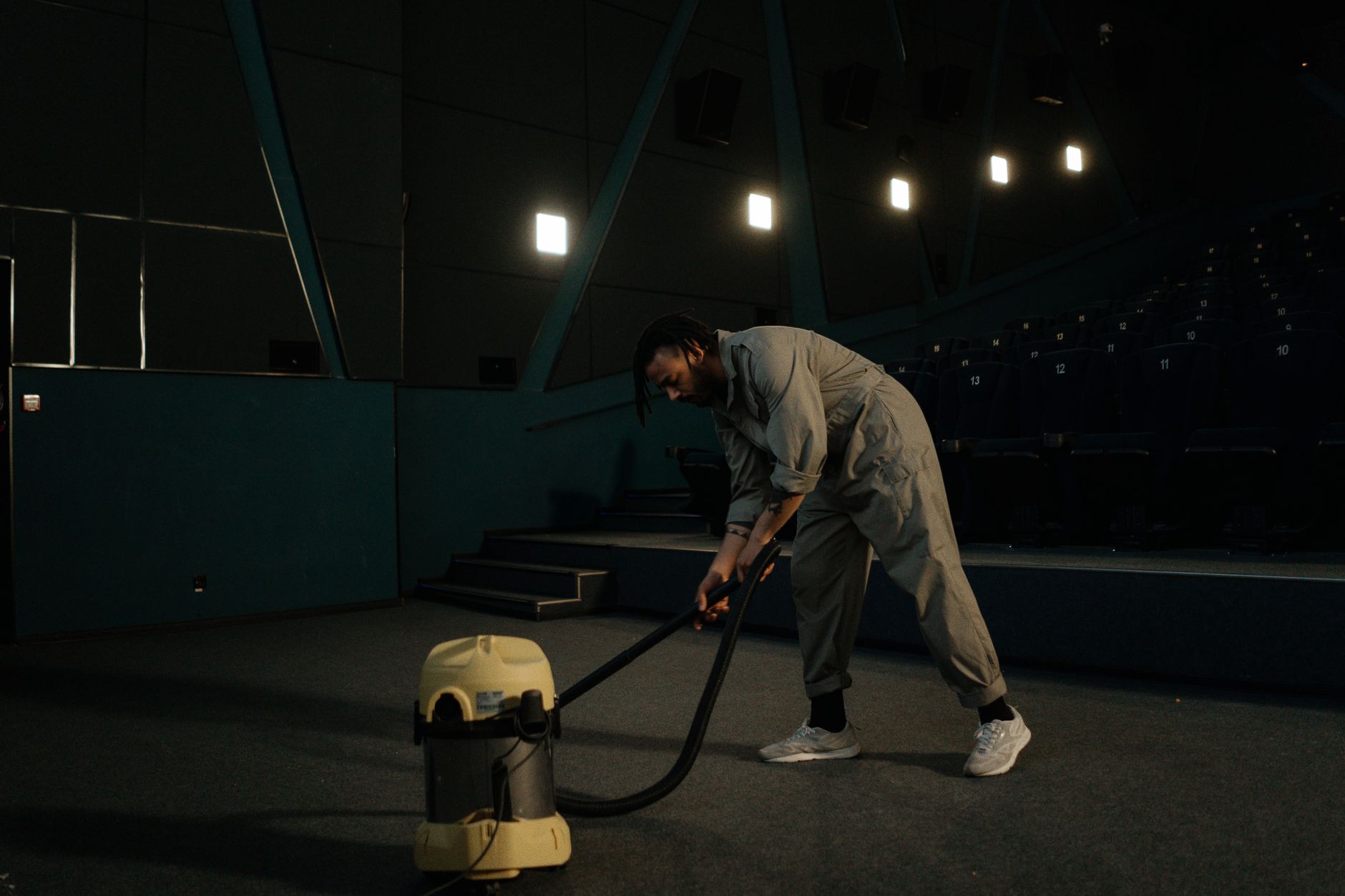
Recently, the Master Cleaner team received a request to thoroughly clean a 150 sq.m. apartment following a large-scale renovation. Due to wall plastering and ceiling painting, the apartment had a layer of dust that was impossible to clean with a standard household vacuum. The methodology used by our team was divided into four stages.
1. Dry Dust Removal (Deep Extraction)
The first mistake many make is using a damp cloth immediately. When construction dust comes into contact with water, it turns into a "cement mortar" and sticks to surfaces. We use industrial, HEPA-filtered vacuums that capture particles as small as 0.3 microns. Thorough treatment of walls, ceilings, and floors is the first essential step.
2. Sanitary Treatment of Surfaces
Removing dust alone is not enough. Construction materials often leave chemical residues. This is where our professional cleaning chemistry comes in. We use specialized solutions that neutralize the alkaline environment (left behind by cement and plaster) and restore the natural pH levels of floors, tiles, and furniture.
3. Hard-to-Reach Spots
- Ventilation and Air Conditioning: Construction dust accumulates in diffusers and filters. Without cleaning them, all the dust will return to the room once the system is turned on.
- Windows and Sills: We use a professional window squeegee to achieve a mirror-like effect and remove microscopic scratches caused by construction tools hitting the glass surface.
4. Furniture and Textile Restoration
If furniture remains in the apartment during renovation, it definitely requires upholstery extraction. Dust penetrates deep into fabric fibers, which is often accompanied by allergic reactions. Using specialized cleaning agents and high-pressure extractors, we perform not just a visual cleaning, but a full decontamination.
Why is DIY Cleaning Ineffective?
Many customers try to remove dust with standard household appliances. Unfortunately, this often damages the equipment (the motor overheats from the dust) and spreads even more microparticles into the air. A professional approach means not only an aesthetic result but also creating a healthy environment.
Conclusion
Post-renovation cleaning is not just "tidying up"; it is a complex process that requires knowledge of surface chemistry, proper equipment, and safety standards. At Master Cleaner, we believe that your new interior deserves a level of cleanliness that begins with perfect decontamination.
If you have recently finished renovations and want your home to be fully protected from residual dust, leave it to the professionals. Our team is ready to turn your space into a clean, safe, and cozy environment.
- #post-renovation cleaning
- #deep cleaning
- #professional cleaning
- #construction dust
- #cleaning
Updated: August 17, 2026
Tips and updates
 Professional Cleaning
Cleaning Service Costs: How to Calculate Per Square Meter?
Learn which factors determine cleaning fees per square meter and how to get the best results from professional services.
Read more Professional Cleaning
Preparing for Post-Renovation Cleaning: What You Need to Know
Learn how to prepare your space for a professional post-renovation cleaning to ensure a perfectly clean and safe result.
Read more